Most homeowners and business owners have approached exterior work the same way they approach a car repair — they wait until something fails, get two or three estimates, and pick the one with the lowest number. That approach makes sense if you’re buying a used transmission, but it doesn’t work for roofs, siding, windows, or decks, because these systems age as they sit. A roof with ten years of weather on it is already carrying stress that a roof with two years carries. The decision point isn’t “when should we fix this?” but “how do we build this to last the full lifespan we need it to?” and that conversation happens months or years before the work starts. Planning changes everything about cost, quality, and the outcome.
A project planned in advance stays on schedule and on budget. A project that starts because something failed costs more and delivers less, because you’re solving a crisis instead of building a solution.
The mistake most people make
73% Of roof repairs happen after failure, not before
45% Budget overruns on emergency projects vs. planned ones
8–12 Weeks longer for emergency scheduling compared to planned work
These numbers come from insurance claims and contractor records. They describe the difference between a decision made in advance and one made under pressure. An inspector tells you “this roof has five years left, plan for it now.” That’s planning. A roof that starts leaking into the attic during the first heavy rain and your insurance adjuster says “you’re not covered because maintenance was deferred” — that’s a crisis, and it costs three times as much to fix.
| Timeline | Planned Project | Emergency Project |
|---|---|---|
| Assessment phase | 6–8 weeks (inspector identifies scope, materials selected, cost negotiated) | 1–2 days (crisis response, limited choices available) |
| Scheduling | 4–12 weeks (work fit into crew schedule, materials ordered in advance) | 2–6 weeks (project inserted into backlog or premium rates applied) |
| Budget certainty | 90%+ accuracy (scope known, no hidden damage discovered mid-project) | 50–70% (unexpected damage found when work begins) |
| Material selection | Full range of options available (you choose based on durability and cost) | Whatever was in stock (limited options, possible compromise on quality) |
| Quality assurance | Slower pace allows for thoroughness, inspections built into schedule | Pressure to finish fast, shortcuts become tempting on both sides) |
Whatever the timeline, the permit itself is checked against the same baseline almost everywhere: the residential and building codes published by the International Code Council, which most U.S. jurisdictions adopt directly. Code compliance is a floor, not a ceiling — but planning means you have time to build above it, choosing materials and methods that outperform the minimum.
What to consider first
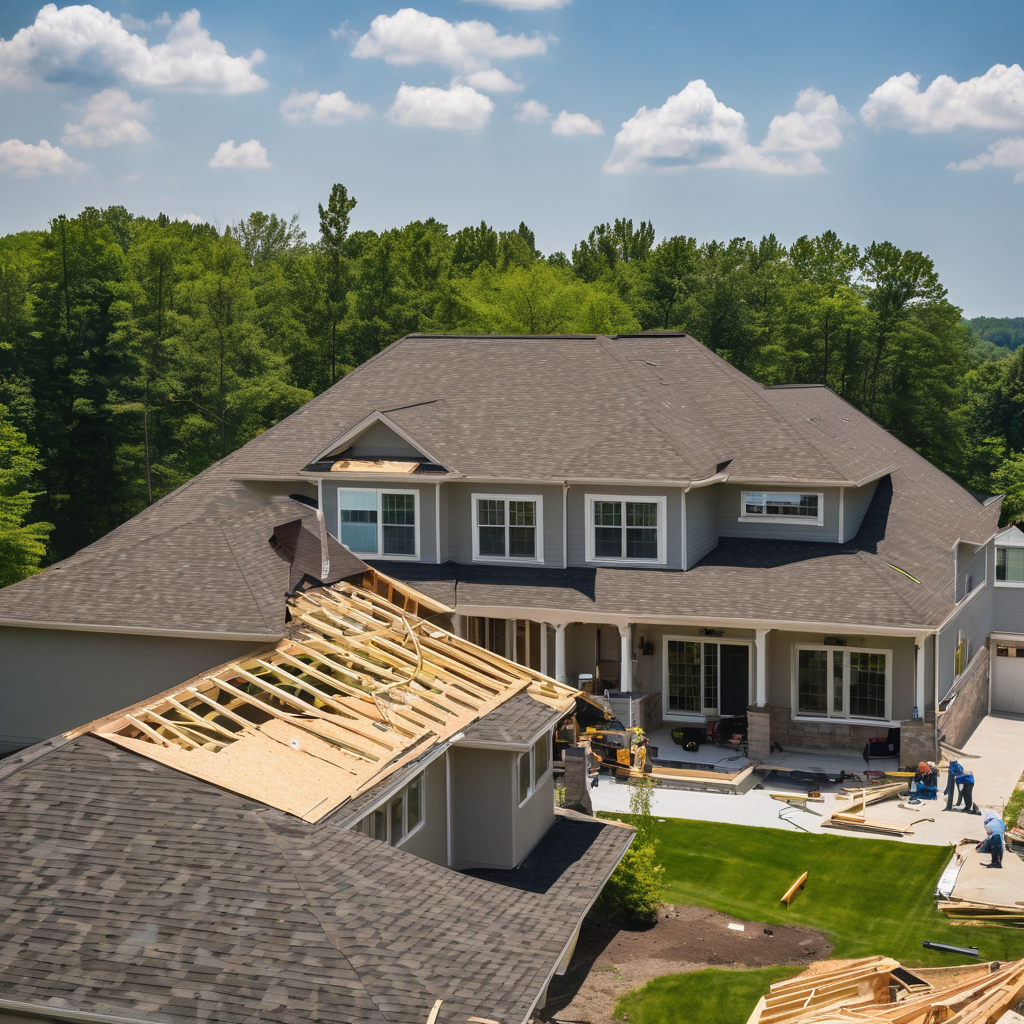
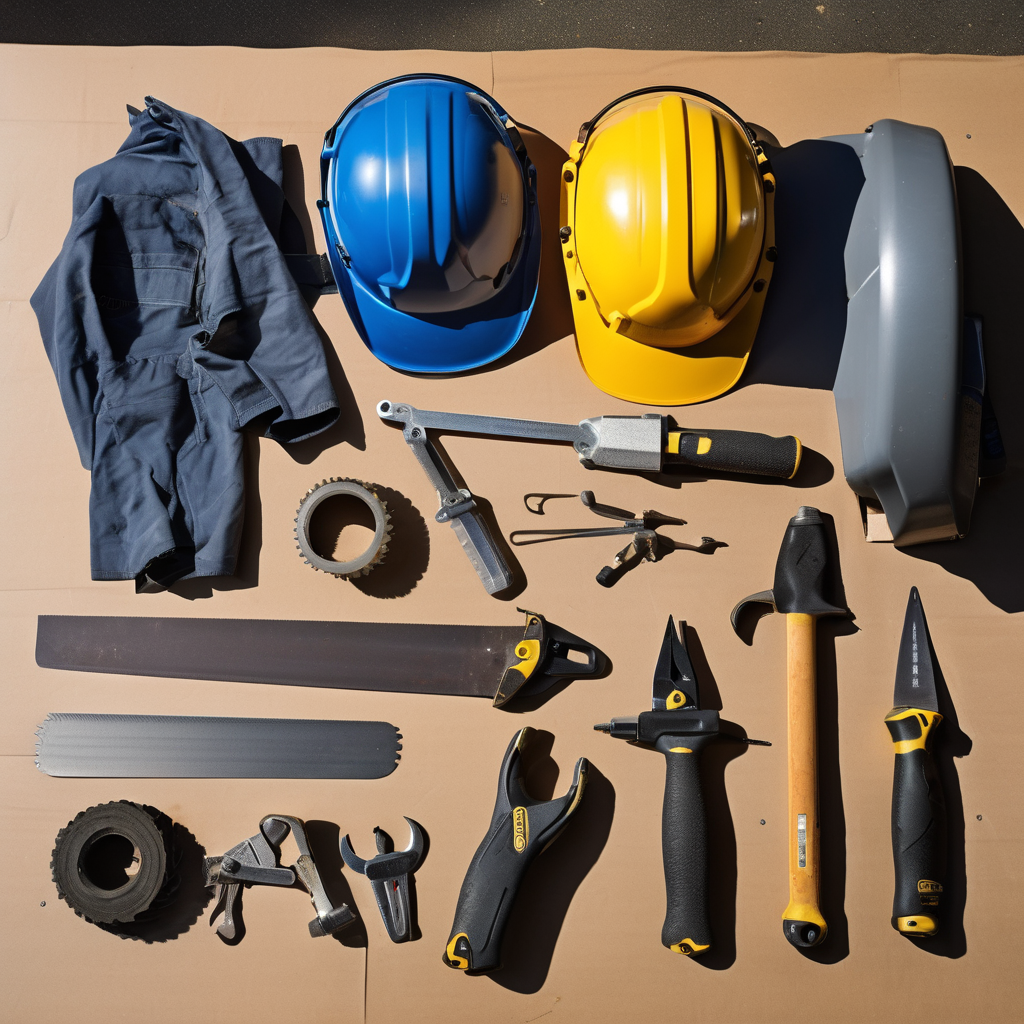
Questions to ask before committing
Do I understand what I’m replacing and why?
Pull inspection reports, photograph existing damage, document leaks or performance problems. When you talk to contractors, you’ll be speaking from a position of knowledge rather than anxiety. This step takes a week or two and saves thousands later by clarifying the actual scope.
Can this contractor explain the choice between options?
A good contractor walks you through not just what they recommend, but what else is available and why they recommend their choice for your specific property. If the answer is “this is what we always use” without qualification, that’s not explanation — that’s avoiding the conversation.
Are the scopes actually the same?
One estimate might include sheathing replacement, another assume existing sheathing is sound. One might budget for new flashing and underlayment, another reuse old metal. Your lowest estimate might be the one that’s skipping the work you actually need, making it cheaper now and more expensive later.
Is the warranty in writing and does it cover labor?
Material warranties cover defects in the product. Labor warranties cover installation mistakes. You need both. A guarantee that sounds like a handshake agreement should go on paper, including what happens if the contractor goes out of business or if the installer moves on.