A roofing, siding, deck, or window project sits somewhere between an obvious fix and a major decision. You notice something — flashing pulling away, siding deterioration, a persistent leak, a window that no longer seals — and it needs attention. But how much attention? What should the scope actually be? This guide walks you through the kinds of questions that separate a straightforward repair from a project that requires professional assessment, and the signs that tell you it’s time to stop consulting online resources and call someone who has actually done the work.
The problem, stated
Most property owners reach the point of a roofing or exterior project after they see something wrong: a stain spreading across drywall, flashing that’s come loose, siding that’s begun to fail, mortar lines opening up around a window frame. By that point, the decision has partially made itself — something has failed and needs repair. What trips people up is the gap between “this needs attention” and “I know exactly what needs to happen.” In that gap, the stakes climb quickly.
A partial repair that doesn’t address the underlying cause — the reason water got past the first line of defense, or why the material failed in the first place — tends to fail again in two to five years. A full replacement of something that could have been restored costs thousands more than necessary. A band-aid solution that makes the leak stop for a season but doesn’t touch the root problem will return when weather conditions shift. All three happen regularly, because most property owners are operating on incomplete information about what actually caused the failure.
The difference between a patch and a solution is almost always visible if you know where to look.
That visibility requires a site visit. It means standing on the roof or the ladder, looking at how water actually moves across the surface and where it pools. It means opening a wall cavity or checking the sealing behind exterior trim. It means understanding the history of the structure — how it was built, what repairs were made before, what weathering and freeze-thaw cycles have already done to materials. The biggest determinant of a good outcome isn’t the material choice or the budget. It’s whether someone has spent the time to understand the problem first.
When to call a professional
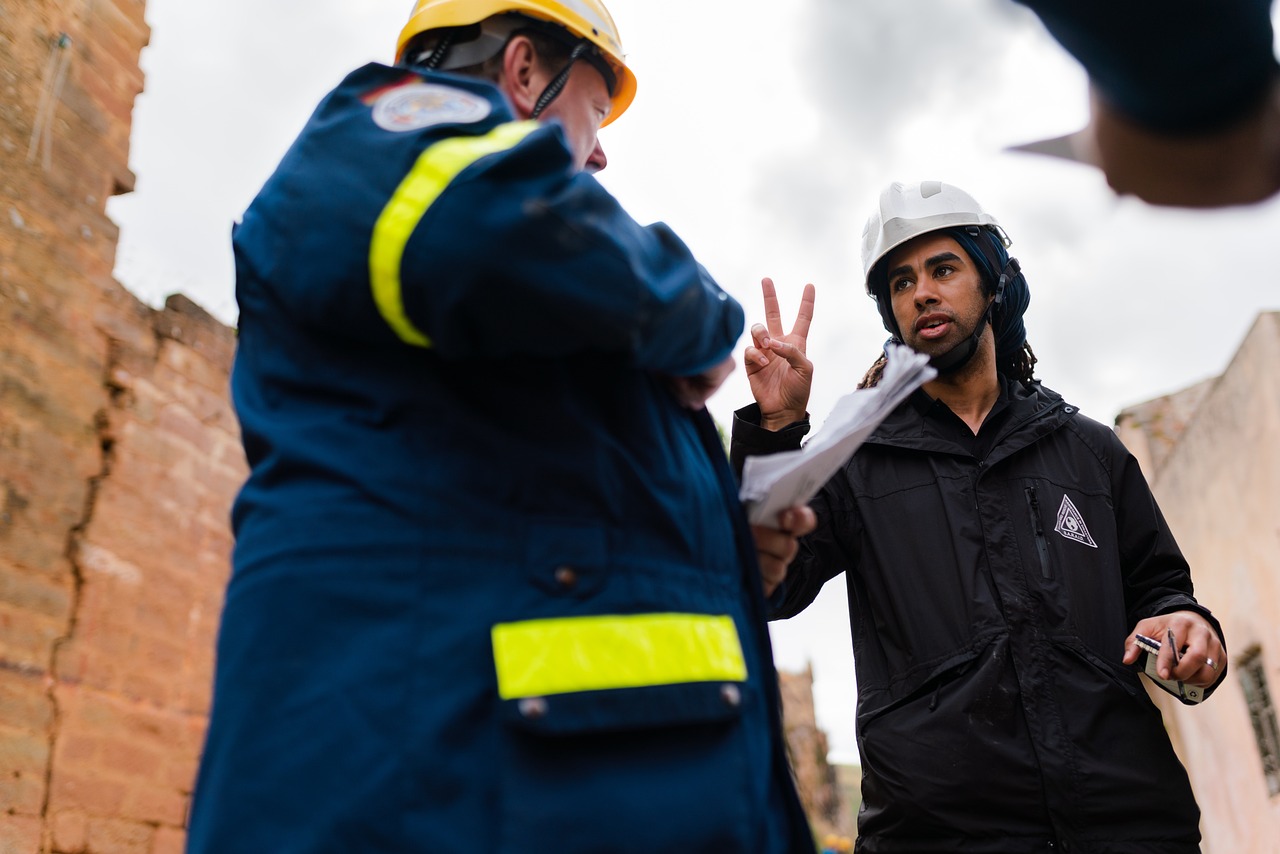
Bring in a contractor at the assessment stage — ideally before you’ve settled on a plan. They read the existing conditions, identify what’s been driven by the visible problem versus what’s failed independently, and spot the things that aren’t visible from ground level or a quick walk-around. They’ll identify water intrusion points, structural concerns, the staging order that prevents one part of a project from damaging another, and the timeline that makes sense for the climate and season.
That assessment either confirms that your initial plan is sound — you noticed the right problem and the straightforward fix actually is straightforward — or it redirects you toward what the structure actually needs. Either way, the assessment should cost a few hundred dollars. A good contractor then builds their price based on that same assessment, not on a national average or a guess from a photo.
What it should look like when done
The mistake most people make
Problem noticed
A stain, a leak, or visible deterioration prompts a search. The property owner reads forums, calls two contractors, and settles on a plan based primarily on budget and speed.
Work begins
The chosen solution — usually the most economical option presented — is applied. The work is done professionally, the material is sound, and everyone walks away satisfied for the moment.
The problem returns
The same leak, or a variation of it, appears again. The repair didn’t last because the underlying cause — water penetration from another location, poor drainage, missing flashing, or compromised underlayment — was never addressed. The entire process repeats, and the property owner has now paid twice for a solution that is still incomplete.
Learn more
- National Roofing Contractors Association — the trade association whose technical standards most licensed roofing crews work to.
- North American Deck and Railing Association — builder and inspector directories, plus consumer deck-safety resources, for anyone comparing deck contractors.