The decision to call a professional contractor versus attempting a repair yourself depends less on the scope of work and more on whether you have the knowledge, tools, and access to do it safely and correctly. This page walks through the questions that clarify that decision, the situations where professional help is non-negotiable, and how to spot the difference between “I can learn this” and “this will go wrong in ways I cannot predict.”
The problem, stated
DIY work exists on a spectrum. At one end, there are tasks where watching a video, reading a manual, and taking your time produces a perfectly adequate result: caulking a window, replacing gutters, re-staining a deck. At the other end are work types where a single mistake produces expensive problems that compound: flashing installation, structural repairs, anything that involves cutting into a load-bearing wall or working on a roof in winter. Most property owners know where they sit on that spectrum for common tasks. The trap is the middle ground — work that looks like it should be straightforward, that videos make seem simple, but where what you cannot see matters as much as what you can.
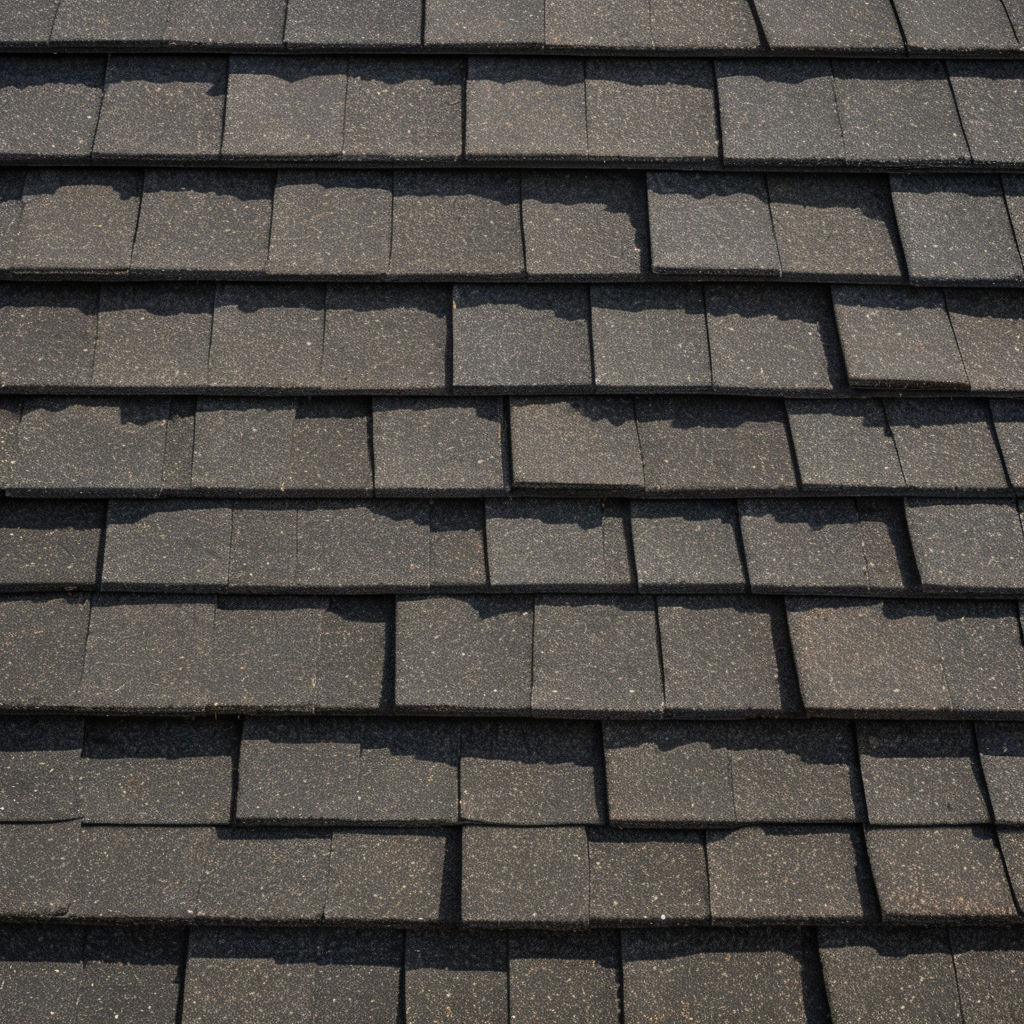
When a roofer inspects a roof, they are not just looking at the surface material. They are reading the flashing — whether it’s sealed, whether it’s integrated with the underlayment, whether there’s ice dam protection in winter climates. They are feeling for soft spots in the deck that indicate rot. They are tracing how water actually moves across the surface under rain, not just assuming it flows downhill. They are checking whether the ventilation is adequate, whether ice and snow will shed properly, and whether the existing structure can support the weight of the replacement. A property owner installing shingles is applying shingles. A contractor is addressing all of that at once, and the difference shows up over time.

Questions to ask before committing
Do I have the tools to do this work safely?
Safety tools are not optional. Working on a roof requires a harness, anchor points, and the knowledge to use them correctly. Working on siding requires a ladder rated for the height, stabilizers, and understanding of how to position yourself to avoid falls. If the tool list includes things you do not own and would need to rent or buy, and you will use them once, that is useful information for your decision.
Can I actually see the problem I am solving?
If the problem is visible and the solution is surface-level, you can probably assess whether you did it right. If the problem is “water is getting somewhere” and you cannot trace where it is actually entering, you are guessing. You can patch five different spots and still have a leak coming from the sixth, one you did not see.
What is the cost of getting it wrong?
If the cost of a mistake is replacing the entire deck or paying for water damage inside a wall, that is expensive. If the cost is a caulk line that needs to be redone, that is not. The calculation changes based on the stakes.
Am I doing this because I want to save money, or because I prefer to do the work myself?
These are different questions. If you are motivated by preference and cost is secondary, you will be patient with a learning curve. If you are motivated by budget and the professional option is too expensive, that is a real constraint worth acknowledging. A budget-driven DIY attempt made in a rush is worse than either slow learning or professional help.
When to call a professional
Some work is simply beyond safe DIY territory. Anything that requires anchoring to a roof in spring or fall, when snow load and ice dam conditions make fall risk highest. Anything that involves structural assessment — whether you have rot, whether a wall can support the weight of new material, whether a deck is built to code. Anything on a two-story or steeper roof where you cannot safely anchor. Work that requires permits and inspection, because a professional contractor knows what the inspector will ask and what will pass. And critically: any problem where you cannot see the full extent of the damage.
The mistake most people make
“I have watched the videos, and it looks simple — I will hire a contractor only if I cannot do it myself.”
This calculation works in reverse. Start with “Can a professional do this in less time than it would take me to learn it, buy the tools, and execute it safely?” If the answer is yes, the professional option is not expensive — it is efficient.
What to consider first
The options compared
| Approach | Cost | Time | Risk if it goes wrong | Best for |
|---|---|---|---|---|
| Full DIY | Material only | Weeks or months | Expensive damage, learning curve visible to anyone passing by | Low-stakes work where failure means redoing, not replacing (painting, staining) |
| Professional | Full labor + material | Days to two weeks depending on scope | Manageable through warranty and insurance | Anything structural, high-visibility, requiring permits, or where hidden problems are likely |
| Professional assessment + DIY execution | Assessment fee + material | Weeks (learning + execution) | High — you have a plan but lack the experience to handle variations | Rarely ideal. Use only if you are genuinely interested in learning the trade, not just saving money |