Safety
Orientation—What This Is
Exterior construction work happens on heights, at angles that don’t forgive mistakes, with tools that demand respect. When you hire someone to work on your roof, your siding, your deck or your windows, safety is not a separate concern—it’s the baseline. A contractor who cuts corners on safety is someone who will cut corners on the work itself.
This page outlines what matters most: what to look for in a contractor’s safety plan, what should be visible on a job site, and what industry standards actually require. You won’t need to know all the details, but you should know enough to recognize when someone is doing this work the right way.
How to Use It
Check the fall protection plan before work begins
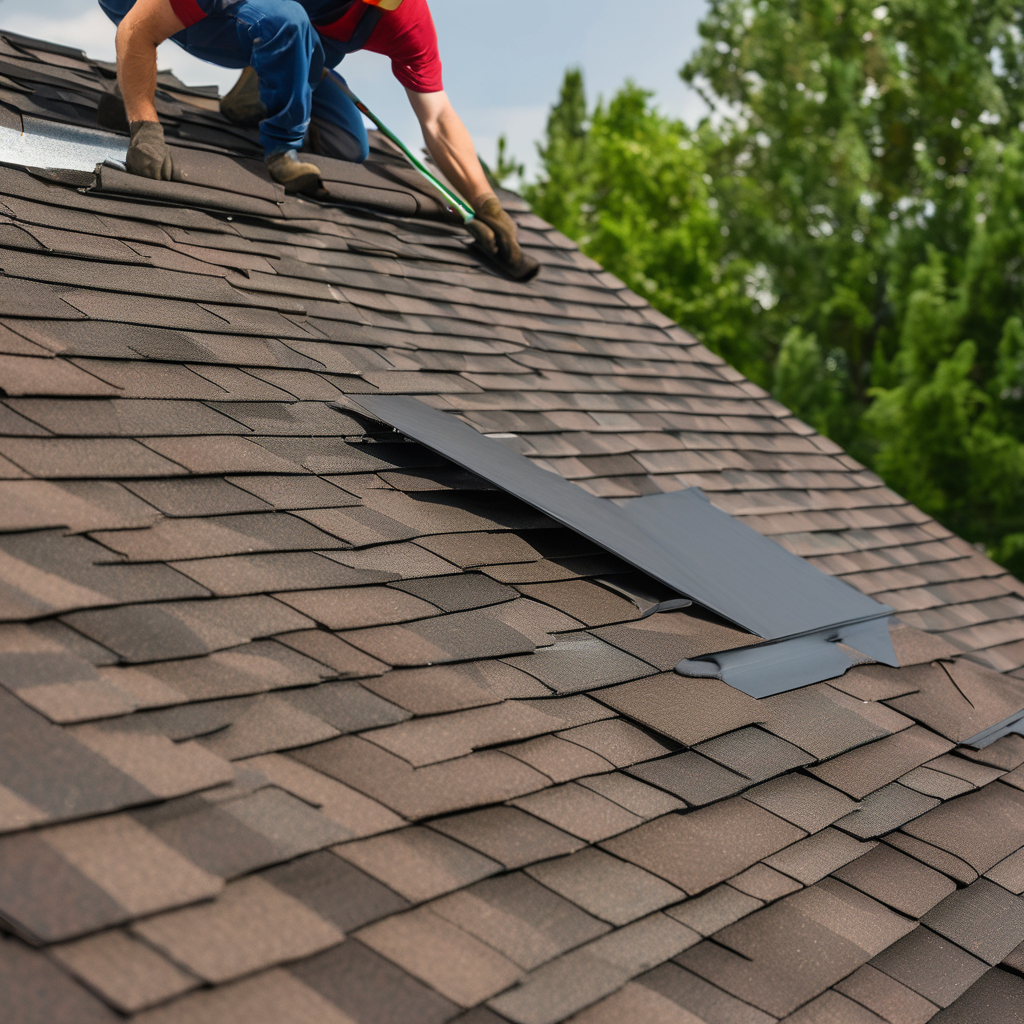
Ask the contractor directly: how will workers be protected from falling? On roof work, that means guardrails, safety nets, or harness systems depending on the height and the roof pitch. On siding work, it’s ladders or scaffolding secured to prevent sliding. A good contractor will have this written down and will walk you through it. If someone says “we’ve been doing it this way for years” instead of explaining their specific plan, that’s a warning sign.
Look for proper equipment on the job site
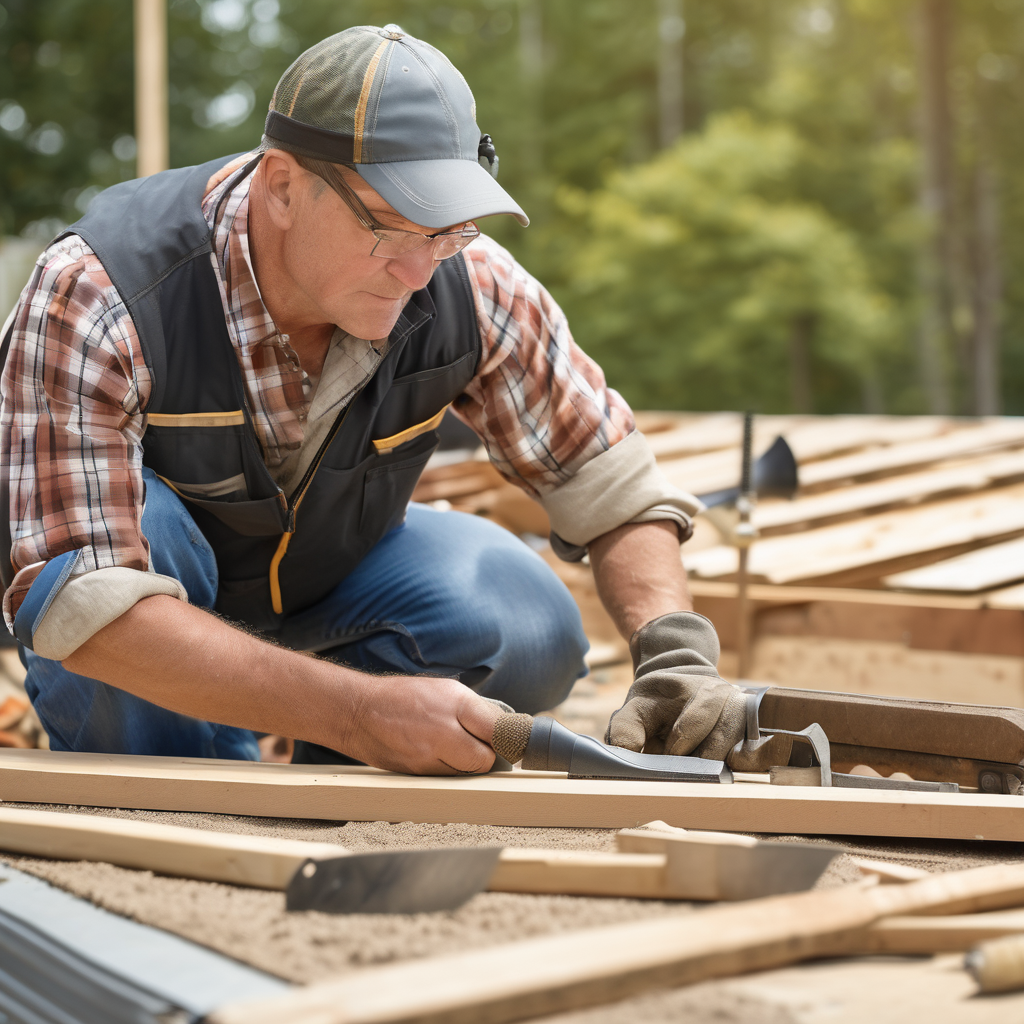
Safety equipment should be visible and in use: hard hats, fall protection harnesses, eye protection for cutting work, gloves matched to the task. If you see workers without basic protection, or equipment that looks worn or damaged, stop the work and ask about it. A professional crew maintains their safety gear like they maintain their tools.
Verify that insurance is current and adequate
Before anyone steps on your roof, confirm that the contractor carries workers’ compensation insurance and general liability coverage. Get a certificate of insurance with your address named. This protects both the workers and you—if someone is injured and the contractor is uninsured, you can be held liable. A contractor who hesitates to provide this is one to avoid entirely.
Ask about the crew’s safety record
Workers’ compensation claims history is a matter of public record in most states. A contractor with multiple claims or unreported incidents may be hiding safety problems. Ask directly how many OSHA recordable incidents their crew has had. If they don’t know, they’re not taking it seriously enough.
Next Step
Standard code compliance is a floor, not a ceiling. Roofs and exteriors built to the IBHS FORTIFIED standard go beyond code specifically to survive severe weather and provide greater durability over time.
The Reference Table
| Work Type | Minimum Fall Protection | What to Look For | Common Issues |
|---|---|---|---|
| Roof installation / repair | Harness, guardrail, or safety net above 6 feet | Anchored attachment points, proper harness fit, backup systems | Workers with harnesses not actually tied off; anchor points that are inadequate |
| Siding / exterior wall | Scaffolding, ladder stabilizers, or safety harnesses | Level, secured scaffolding; ladders tied at top and bottom | Ladders leaning against gutters; improvised ladder tie-offs |
| Window replacement | Depends on height and location; may require harness or platform | Stable work platform, proper hand and foot positioning | Working from ladders that are too short; over-reaching |
| Deck construction | Fall protection if working above 6 feet; guardrail installation | Secure staging, proper railing height and strength | Incomplete railings during construction; inadequate edge protection |
Safety standards vary by jurisdiction and specific task. Ask your contractor which standards apply to your project and confirm that their plan addresses each one.
The Key Figures
Falls remain the leading cause of death in construction, which is why federal guidance from NIOSH treats roof, ladder, and scaffold work as its own category of risk. A contractor who takes that seriously will tell you directly what they do to manage it.
When you hire someone, you’re not just paying for the finished work—you’re asking them to do something dangerous and do it safely. The contractors we refer clients to understand that this is non-negotiable. Their crews go home the same way they arrived.