Difficulty Guide
Not every exterior project fits the same playbook. Some are straightforward enough for a confident owner to attempt. Others look deceptively simple until you’re halfway through and discover why professionals charge what they do. This guide walks you through the real skill and equipment requirements, so you can make an honest decision: DIY or hire it out.
The Problem, Stated
Most exterior work falls into a gray zone. It’s not complicated enough to require a crane or specialized HVAC equipment. It doesn’t demand engineering calculations or structural modifications. But it absolutely requires competence in reading site conditions, selecting the right materials for local climate, and executing technique that won’t fail in five years.
The gap between “looks simple” and “actually is simple” shows up clearest in roofing, siding, and deck work. A homeowner can research the steps, buy the materials, and follow a diagram. They can also end up with a roof that leaks at the valleys, siding that buckles when it heats up, or a deck that sheds fasteners within two seasons — not because they were careless, but because they didn’t know what they didn’t know.
That’s not a judgment. It’s a fact about material behavior. Some things have to be done right the first time because the only way to fix them is to tear it all down and start over.
What to Consider First
-
Climate, exposure, and existing damage
New England exterior work faces regular freeze-thaw cycles, high wind events, and UV exposure that varies dramatically by orientation. Before you commit to any method, you need to know whether your roof faces north or south, whether your deck gets pooling water, and whether the house is in a zone prone to ice damming. These aren’t theoretical — they’re why a repair that works in one place fails in another.
-
What the permit actually requires
Many homeowners skip this step thinking it’s bureaucratic overhead. It’s not. The International Building Code, adopted here in New Hampshire, requires specific fastening patterns, flashing details, and material specifications for exactly the reasons listed above. A roof you build without reading the code will fail the same way roofs have been failing for a hundred years.
-
Equipment and experience level
Own a ladder? That’s one thing. Own a 28-foot extension ladder and know how to use fall protection on a pitched roof? That’s completely different. Some projects require specific tools — roof jacks, pneumatic nailers, flashing brakes — that are expensive to buy for a one-time use and dangerous to rent without training.
-
Material, equipment, and the reality of weekends
A professional quotes the material cost, plus labor, plus waste margin, plus their liability insurance. When you DIY, you quote the materials and assume you’ll do the labor over three weekends. In reality, you’ll buy materials twice (first pass doesn’t account for waste), rent equipment, discover mid-way that you need a specialist tool, and finish the job six weeks later during the worst weather of the month.
What It Typically Costs
Material costs for exterior work are relatively fixed — a bundle of shingles costs the same to a professional and a homeowner. The cost difference is labor, which breaks down into skill premium, speed, and safety. A professional crew installs a roof in one day. A homeowner crew takes three weekends. The roof doesn’t sit open to weather between weekends; the pro crew knows where the pitfalls are; and if something goes wrong, the pro carries insurance.
40
percent markup on material in a contractor quote
60
percent of the total bid that is labor
3
times the DIY cost when you factor in tool rental, waste, and mistakes
That last number isn’t from the roofing contractors — it’s from homeowners who got halfway through and called one to finish. By then, you’ve already spent the material budget, discovered what you don’t know, and you’re asking the pro to take on a partially completed job where you’ve made decisions they can’t undo.
When to Call a Professional
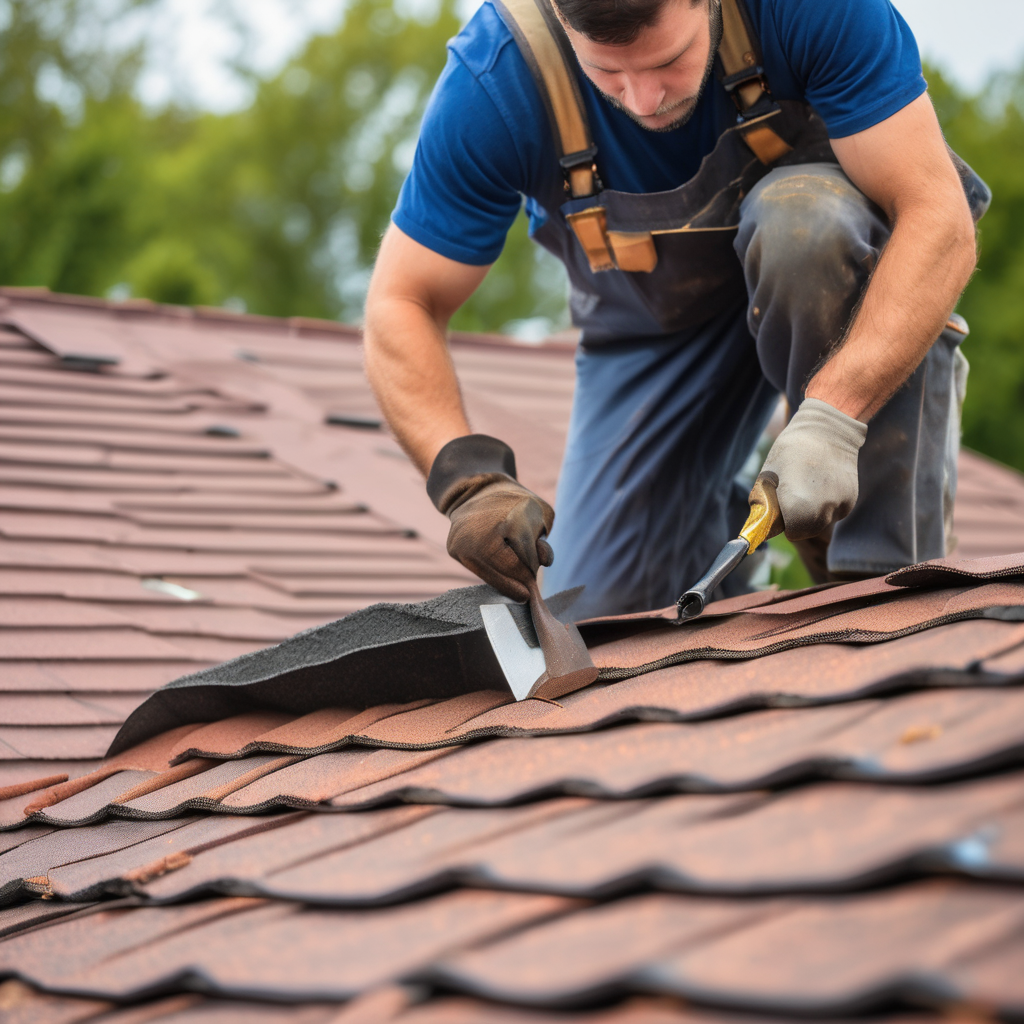
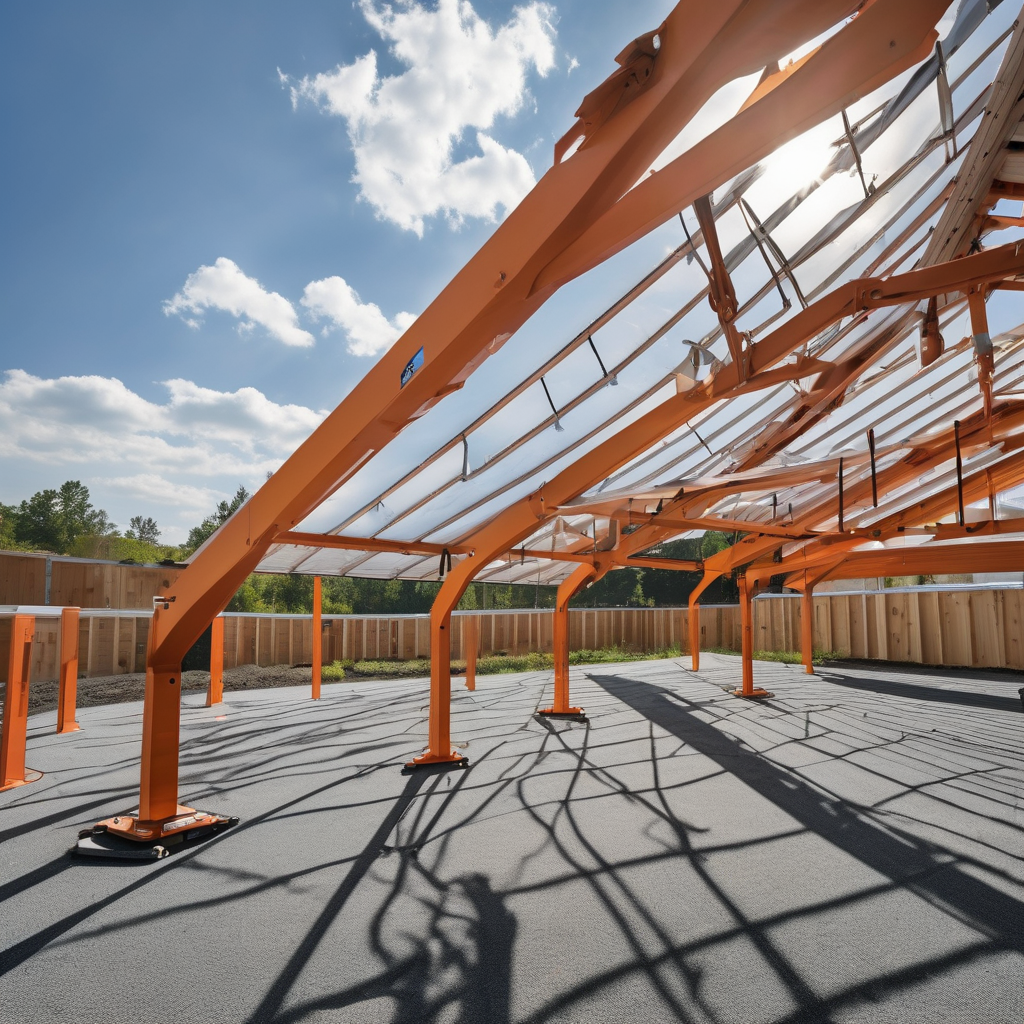
Call a professional if: the work is at height (above one story), involves structural decisions, or requires specialized equipment you don’t own. Call a professional if the project must stay on schedule because weather is about to hit. Call a professional if you’re honestly uncertain about code requirements — the few hundred dollars for a permit inspection could save you tens of thousands in remedial work.
Most importantly: call a professional if you’ve never done this work before and can’t find someone experienced to walk through it with you. A knowledgeable friend is valuable; a professional crew is more so, because they’ve seen every variation of the problem and know which ones matter.